Charged Polyester Terminology
Technical Note: Terminology in Polyester Resin Systems
It is interesting how terminology gets policed in niche hobbies. A term like “charged polyester,” which aligns with established material language, can be dismissed simply because it is unfamiliar to some. Meanwhile, words like “venti,” borrowed from Italian (and popularized by Starbucks), are readily adopted and treated as standard within the hobby. Both are examples of language evolving through use, not ownership. Apparently, some terms earn acceptance more easily than others, depending less on accuracy and more on who happens to recognize them first.
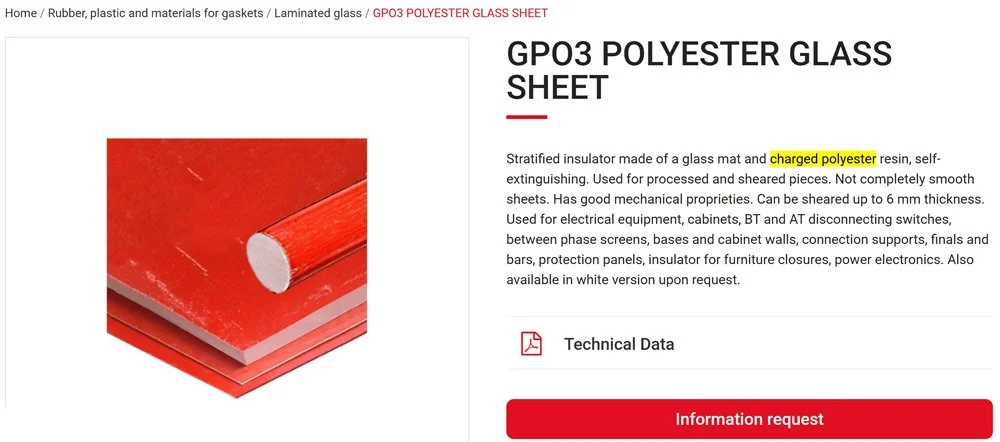
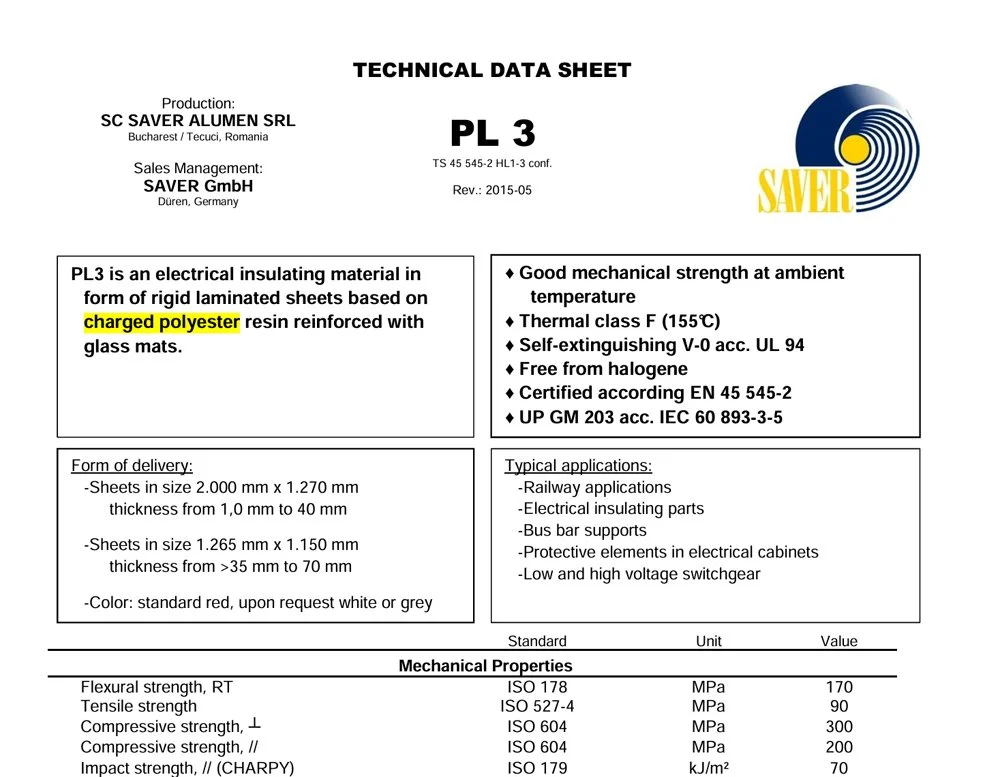
The materials shown here are produced through molded manufacturing processes, much like the casting process used for model horses.
In materials science and manufacturing, terminology can vary depending on whether it’s used in academic texts, hobby settings, or international industrial documentation.
In academic literature, the standard term is “filled resin”, referring to a polymer matrix with solid additives such as mineral fillers, glass, or other reinforcing materials. These additions are commonly used to modify properties like weight, shrinkage, flow behavior, and structural stability.
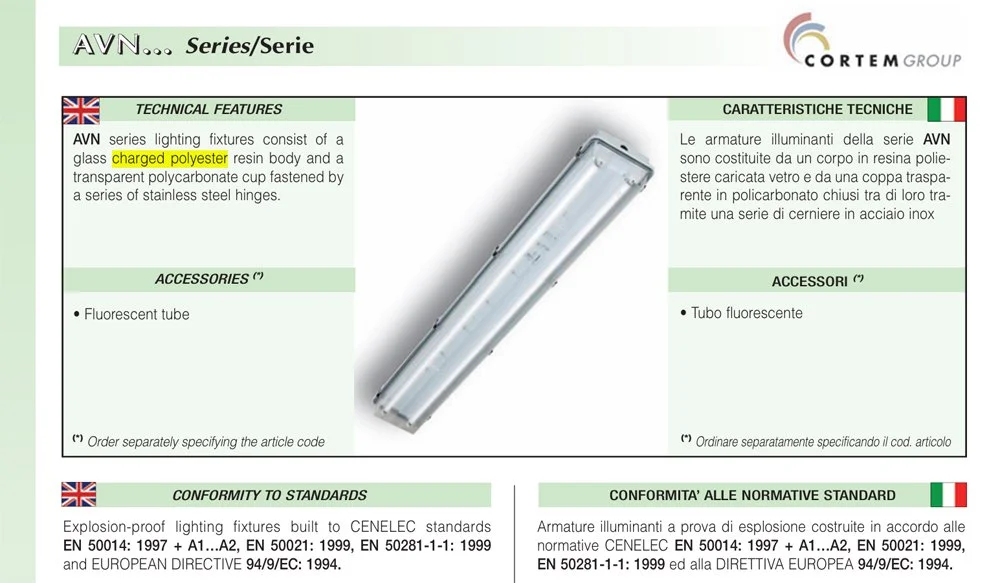
In some industrial and international documentation, particularly in translated or European manufacturing contexts, you may also encounter the term “charged polyester resin.” In those cases, “charged” is used to describe a resin system that has been loaded with additional materials, such as glass reinforcement or mineral fillers.
While the wording differs, the underlying concept is the same:
A polyester resin system combined with added materials to achieve specific physical and mechanical properties.
Understanding these variations in terminology can be helpful when reviewing technical data sheets, working with international suppliers, or comparing materials across different sources.
Why this matters in practice
Resin systems that include fillers or reinforcement can behave differently during casting and finishing. Depending on formulation and processing conditions, this may influence:
• Weight and density
• Shrinkage during cure
• Flow characteristics
• Surface finish and potential artifacts
Surface Considerations: In polyester systems with higher filler or reinforcement loading, viscosity can increase. In open casting conditions (no vacuum/pressure), trapped air can remain in the mix or at the mold surface, which may show up as small pits or pinholes on the finished casting.
These differences are a normal part of working with composite materials and are considered when selecting materials for specific applications.
This is just a quick note to help clarify terminology for those who may come across different descriptions of similar material systems.
Full Technical Data Sheets (TDS) for these materials from manufacturers like FIP Italy, Saver GmbH, and Cortem Group are publicly available for those who wish to review the complete chemical specifications.